Prompt Engineering Is Not Enough for PMs
AI-first product managers need context engineering: the living product, customer, release, and feedback context that makes agents useful.
2 minute read
Mukesh Swamy
Skills for PM
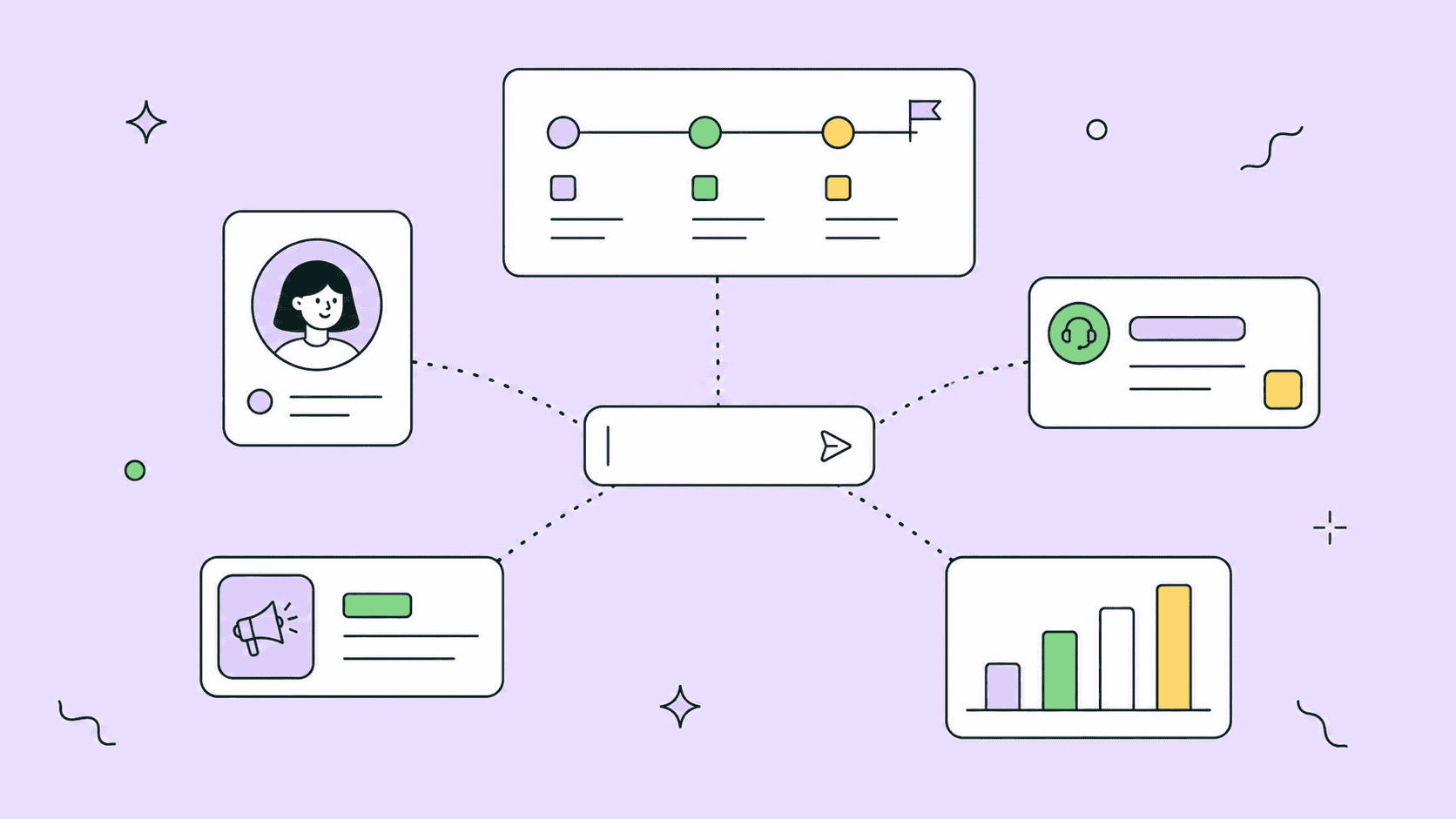
Most PM AI advice still starts with prompts. Better prompts help, but they do not solve the real problem: most AI tools are missing the product context required to make good product decisions.
A product manager does not need a cleverer prompt for every task. They need a context layer that stays current as the product, customers, roadmap, support questions, docs, and release history change.
Why do AI tools produce generic product output?
AI tools produce generic output because they are missing product context, not because the prompt was badly written.
Ask an AI tool to write a launch announcement with no product context and it will produce a plausible announcement. That is the problem. It will sound confident while missing the details that actually matter:
- who the feature is for
- what changed in the UI
- which plans or segments get access
- how the feature affects onboarding
- what docs need updating
- what customer objections or support tickets led to the work
- which success metric should move
Generic output is not a writing problem. It is a context problem.
What is context engineering for PMs?
Context engineering is the discipline of deciding what an AI system needs to know before it can do useful product work.
For product teams, that context usually includes:
- Product surface area — features, flows, permissions, plans, integrations, and terminology.
- Customer segments — ICP, personas, use cases, lifecycle stage, and pricing tier.
- Evidence — interviews, feedback, surveys, support tickets, sales notes, analytics, and usage patterns.
- Product decisions — roadmap items, shipped releases, open bets, constraints, and tradeoffs.
- Customer-facing assets — docs, tours, announcements, changelogs, checklists, and in-app messages.
- Review rules — brand voice, compliance constraints, approval owners, and quality bars.
Prompt engineering asks, “What should I type?” Context engineering asks, “What system makes the next answer reliable?”
What context does an AI agent need before doing product work?
Before asking an AI agent to produce product work, check whether it has these inputs:
- The feature or workflow being discussed
- The target user segment
- The customer job-to-be-done
- The current product behavior
- The new behavior or proposed change
- The evidence behind the change
- The downstream surfaces that must update
- The success metric
- The human reviewer
If those inputs are missing, the agent is guessing.
Where Userorbit fits
Userorbit’s thesis is that customer-facing product experiences should update as your product changes. That means tours, docs, announcements, changelogs, surveys, and feedback loops should not live as disconnected assets.
For AI-first PMs, those assets are also part of the context layer. They tell the AI system what customers currently see, what the team has promised, what has changed, and what needs to stay accurate.
The practical takeaway
The next era of AI product management will not be won by teams with the longest prompt libraries. It will be won by teams with the best maintained product context.
Start small: pick one workflow, such as release communication. Define the context it needs. Connect the source product change to the downstream docs, tour, announcement, changelog, and survey. Then let AI draft inside that boundary, with a human review step before anything reaches customers.
Frequently asked questions
What is context engineering for product managers?
Context engineering is the discipline of deciding what an AI system needs to know before it can do useful product work: the product surface area, customer segments, evidence, past decisions, customer-facing assets, and review rules.
How is context engineering different from prompt engineering?
Prompt engineering asks what you should type into an AI tool for one task. Context engineering asks what system makes every answer reliable, by keeping the product, customer, release, and feedback context current and connected.
Where should a PM start with context engineering?
Pick one workflow, such as release communication. Define the context it needs, connect the source product change to the downstream docs, tours, announcements, and surveys, and let AI draft inside that boundary with a human review step.
Free resource
Get the AI-first PM workflow map
A practical checklist for turning discovery, feedback, releases, docs, tours, and surveys into repeatable AI-assisted workflows.
No spam. Unsubscribe anytime.