The Product Experience Layer Your AI Stack Is Missing
Most PM AI stacks focus on internal productivity. The missing layer is the customer-facing product experience that must stay current.
2 minute read
Mukesh Swamy
Skills for PM
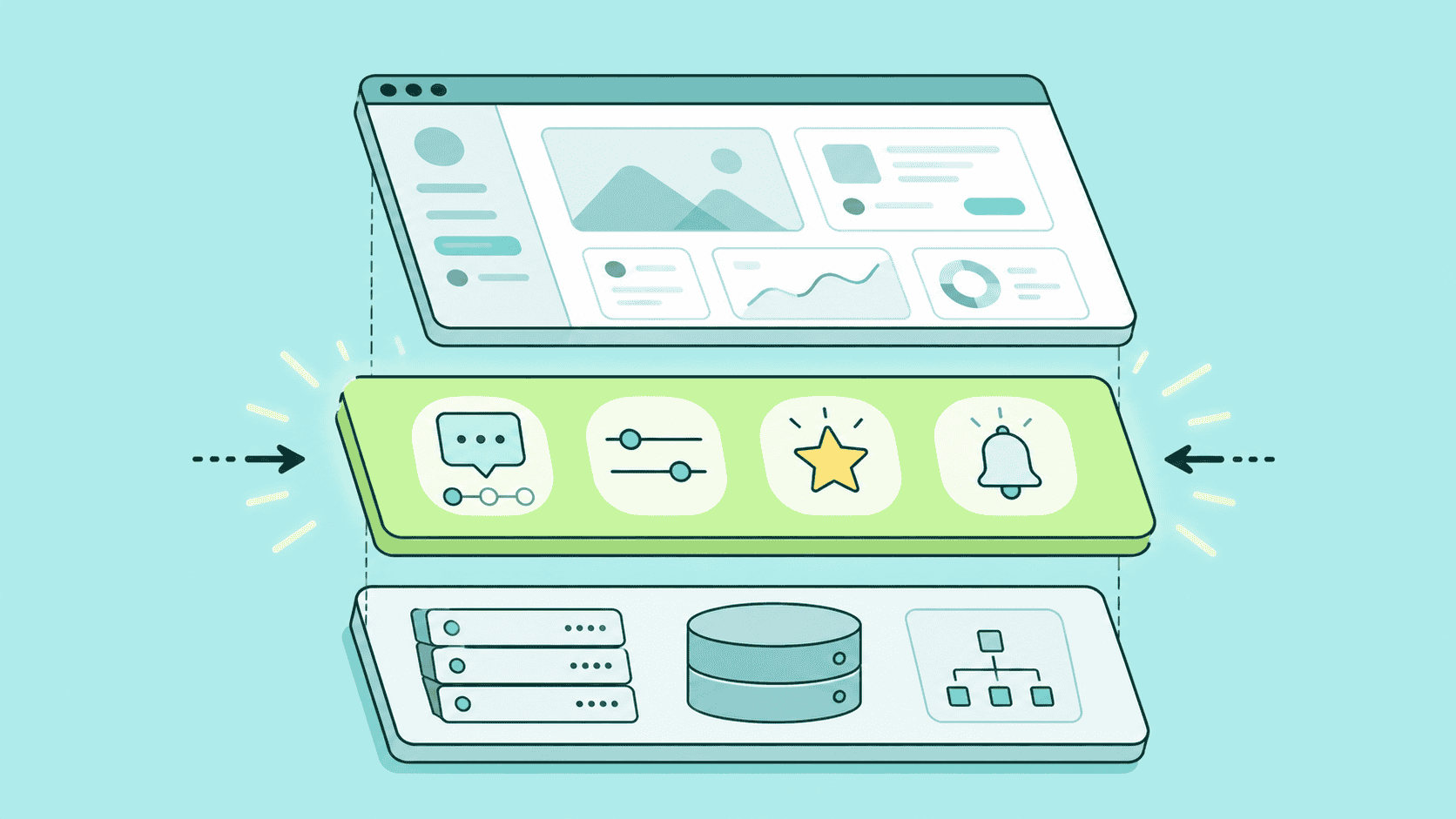
Most AI stacks for product managers focus on internal artifacts: PRDs, meeting notes, research summaries, tickets, and roadmap drafts.
Those are useful. But they miss the layer customers actually experience.
What is the product experience layer?
The product experience layer is the set of customer-facing surfaces that explains your product to users and turns shipped work into adoption. Every product-led company has one:
- onboarding tours
- checklists
- help docs
- in-app announcements
- changelogs
- surveys
- feedback prompts
- lifecycle messages
This layer teaches new workflows and captures confusion and demand. It is also usually fragmented across tools and teams.
Why does this layer matter more with AI?
AI makes it easier to draft content. It also makes it easier to create inaccurate, duplicated, or stale content at scale.
If your AI tool does not know which docs are live, which tours exist, which announcements were already sent, and which customers saw which message, it cannot reliably help you manage the product experience.
That is why the product experience layer is also a context layer.
What should a product experience layer know?
A useful product experience layer knows:
- what changed in the product
- which customer segments are affected
- which user-facing assets mention the old behavior
- which onboarding paths depend on the changed workflow
- what feedback users have given
- what adoption or confusion signals appeared after launch
- who needs to approve updates
The opportunity for AI-first PMs
The next step is not a generic “write me a changelog” prompt. The next step is a workflow where product changes automatically identify affected customer-facing assets, draft updates, route them for approval, and measure impact after publishing.
That is the operating system AI-first PMs need.
The practical takeaway
If your AI stack only improves internal PM documents, it will save time but leave customer experience debt untouched: the gap that grows when the product changes faster than the surfaces that explain it.
The highest-leverage AI workflows connect product changes to customer-facing surfaces. That is where users feel the difference.
Frequently asked questions
What is the product experience layer?
The product experience layer is the set of customer-facing surfaces — onboarding tours, checklists, help docs, in-app announcements, changelogs, surveys, and feedback prompts — that explains the product to users and turns shipped work into adoption.
Why do AI stacks need a product experience layer?
Because an AI tool that does not know which docs are live, which tours exist, and what each customer already saw will generate inaccurate, duplicated, or stale content at scale. The layer doubles as the context AI needs to work reliably.
What is customer experience debt?
Customer experience debt is the gap that grows when the product changes faster than the tours, docs, and announcements that explain it, leaving users to discover changes through confusion and support tickets.
Free resource
Get the AI-first PM workflow map
A practical checklist for turning discovery, feedback, releases, docs, tours, and surveys into repeatable AI-assisted workflows.
No spam. Unsubscribe anytime.